More On MAFA Dancing

He taught for hours, dictating each and every movement, how much and what kind of feeling to emanate through each one. His expertise and talent were not hidden during his lessons, but his level of fame and success was not an expression he demonstrated from the front of the mirror-filled room.

Brian Fucanan, 24, has become a dancing icon after his breakout performances as a member of SoReal Cru on MTV’s America’s Best Dance Crew (ABDC). To the packed room of eager fans, though, he was more than that – he represented the American dream for hundreds of Filipino-Americans who attended the Midwest Association of Filipino Americans last weekend.

“I really wanted to come up here and figure out what [MAFA] was all about. I honestly had no idea that this existed, but I wanted to come up and help out,” Fucanan said.

The professional dancer resides and attends college in Houston, Texas, and recently MC-ed his state’s version of MAFA last month. He spoke highly of the GoodPhil Games annual event that brings literally thousands of Filipino-American students from across the state together in friendly competition that helps bond the community in culture.
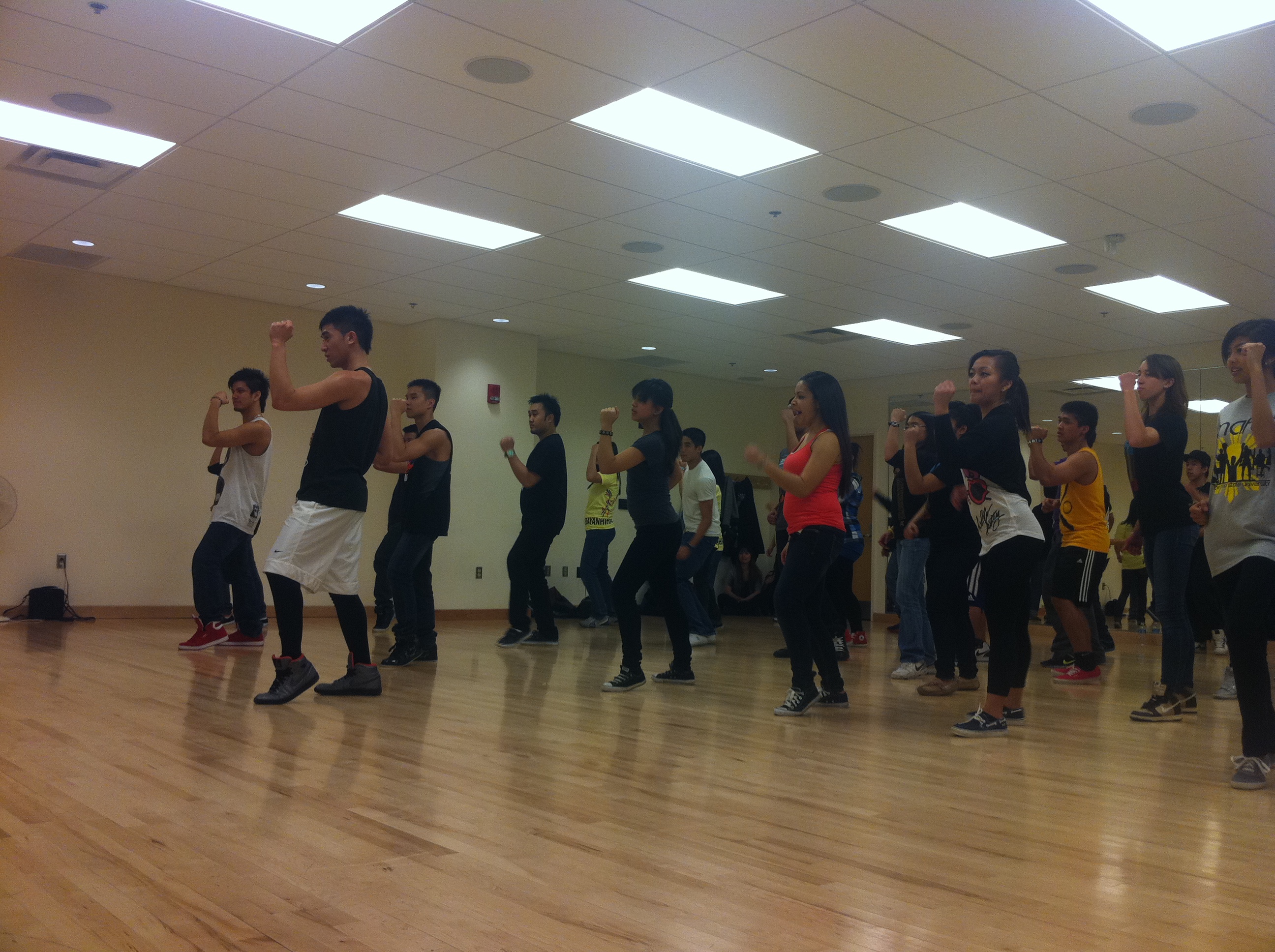
Fucanan said traveling to MAFA and teaching his original choreography for two workshops was something he’d love to do again. He said he hops around the country every weekend to lead lessons and, although it’s his job, he hasn’t lost his passion for dance.

“I recently became really active in the whole Filipino culture scene, so coming to events like GoodPhil and MAFA are great ways to bring everyone together,” Fucanan said. “Plus, it’s fun to hang out with everyone. Conferences like these are more like social events for me, even though I’m working.”

Rumor has it that Fucanan and his brother, also a professional dancer in their current crew The ArchiTEKs, will co-MC MAFA next year.

2011 MAFA Modern Dance Workshop

Midwest Association of Filipino Americans: Modern Dance Workshop Video of Brian Fucanan
Filipino-American students from across the heart of America convened at Ohio State to network with other campus organizations. Here, students learned Brian Fucanan's choreography to Chris Brown's "Talk That Sh*t."

AAA – Not for Car Repair

AAA, A3, Mizzou’s Asian American Association is a club organized to promote Asian-American awareness and break down stereotypes via social networking among students.

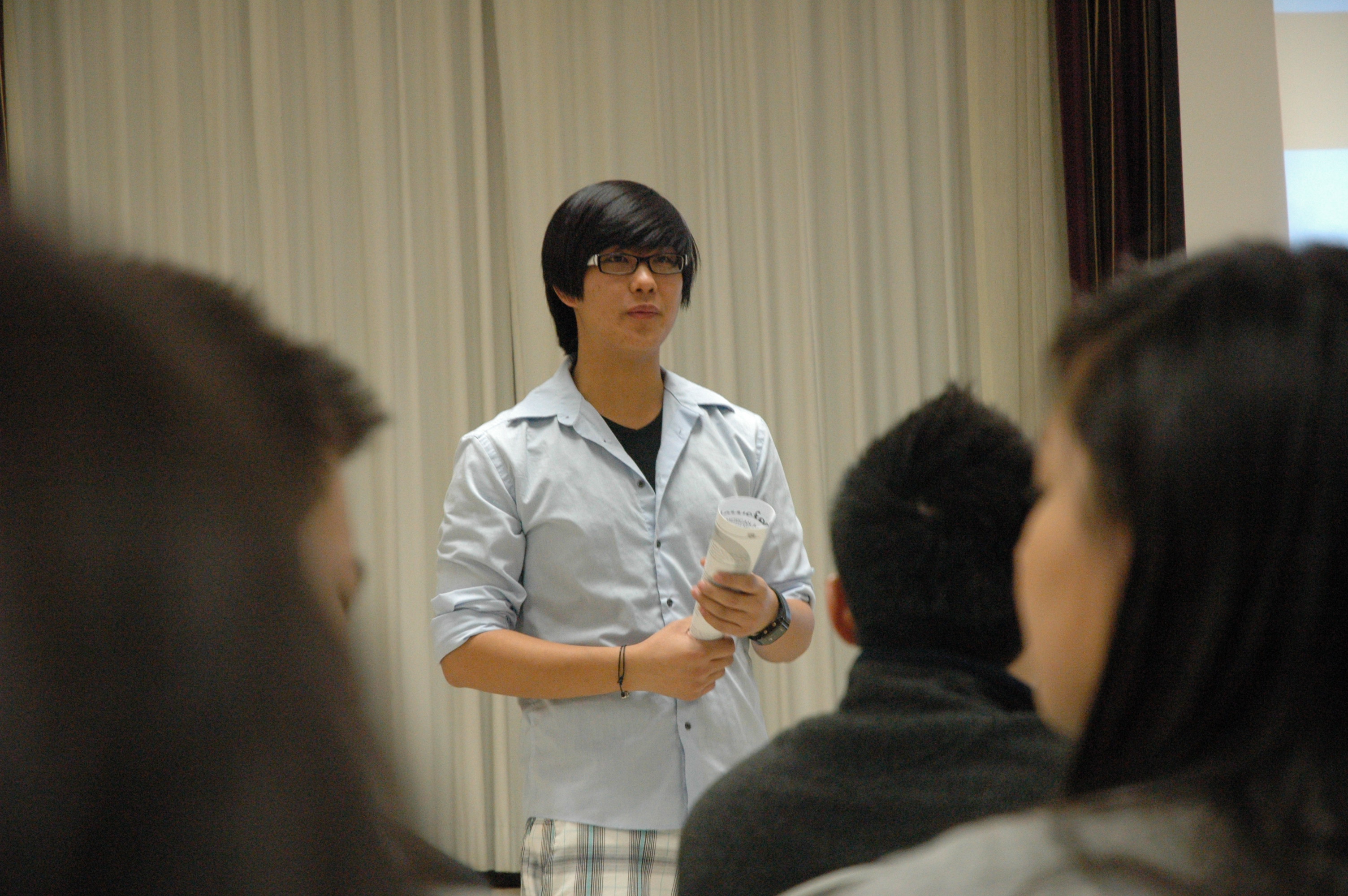
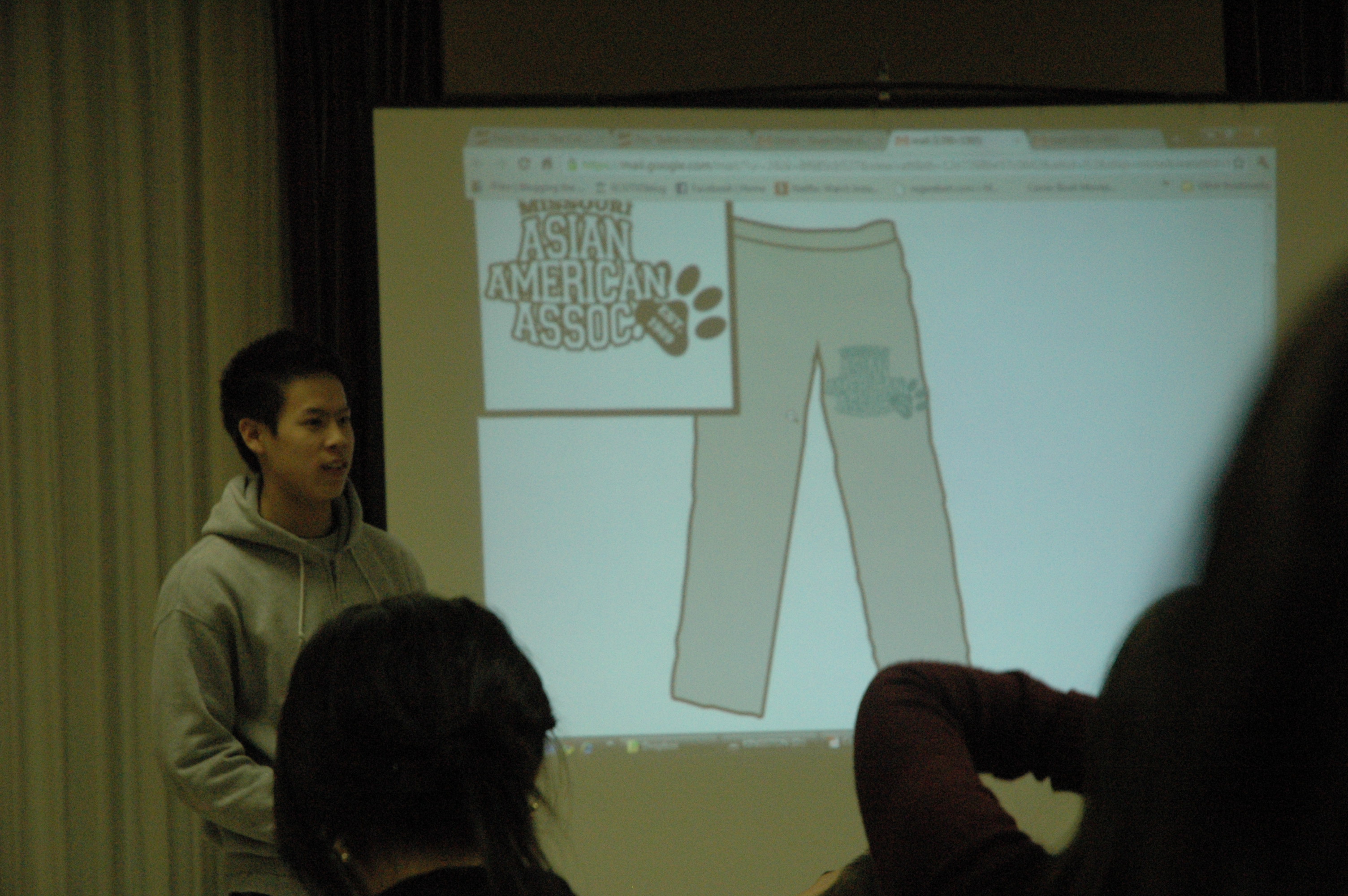
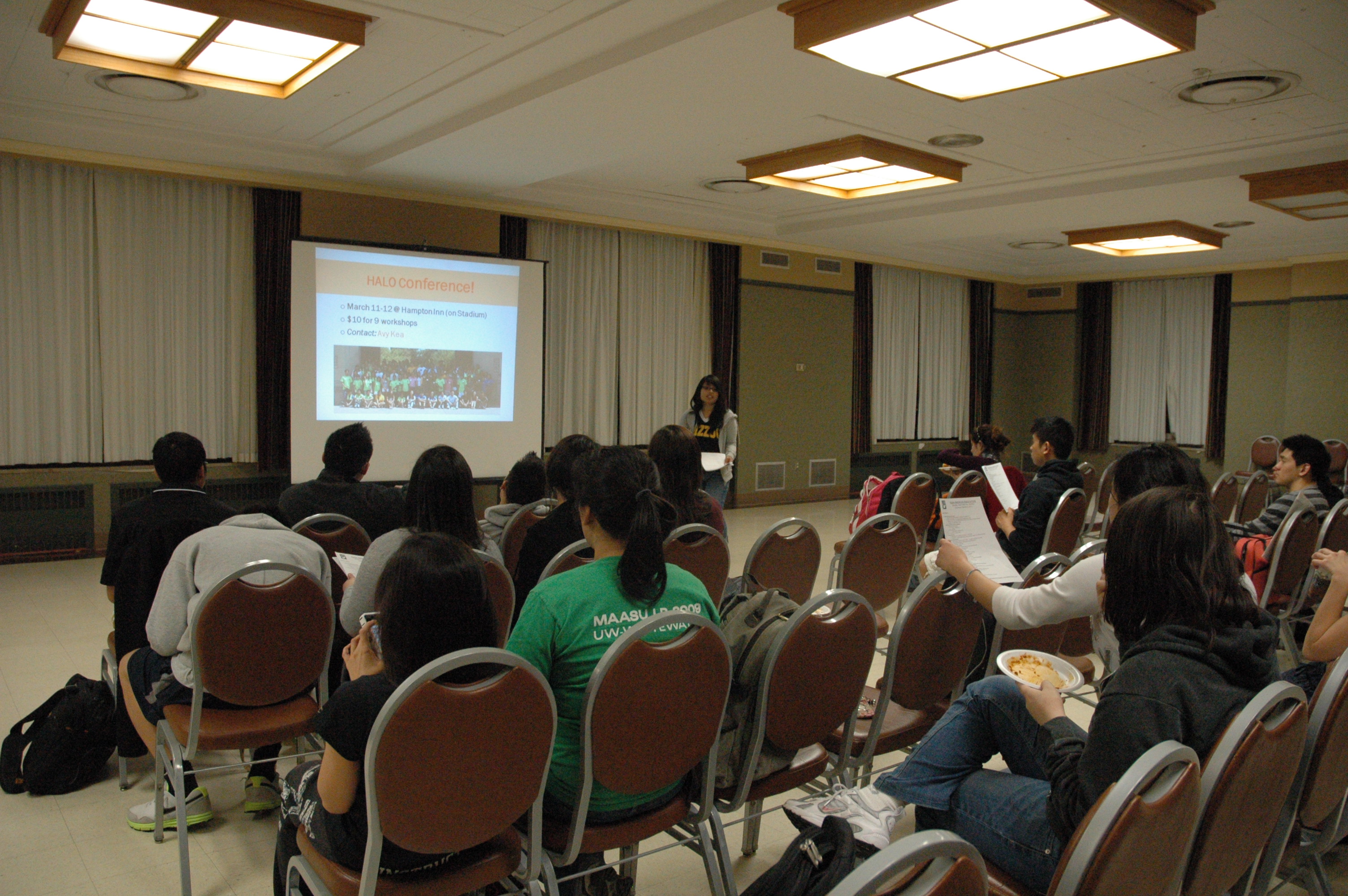
Sounds great, right? But how do they do this — exactly. At one of their bimonthly general body meetings this week, students gathered to go over some logistical information over social events they’d been planning for the coming month. The topics weren’t, necessarily, hard-hitting toward their bigger mission: a disco-themed roller skating night, a bowling event — voting on the color for the new AAA sweatpants. But, they told me, an Asian-interest topic is always discussed at the end of every meeting. It’s incorporated. It’s a staple for the gatherings. Why? Because this is just one way they fulfill their mission. They not only plan out-reaching events on campus, but consistently work to break down stereotypes and understand the similarities and differences within the group.

Today’s topic: The Tiger Mom

http://abcnews.go.com/assets/player/walt2.6/flash/SFP_Walt_2_65.swf

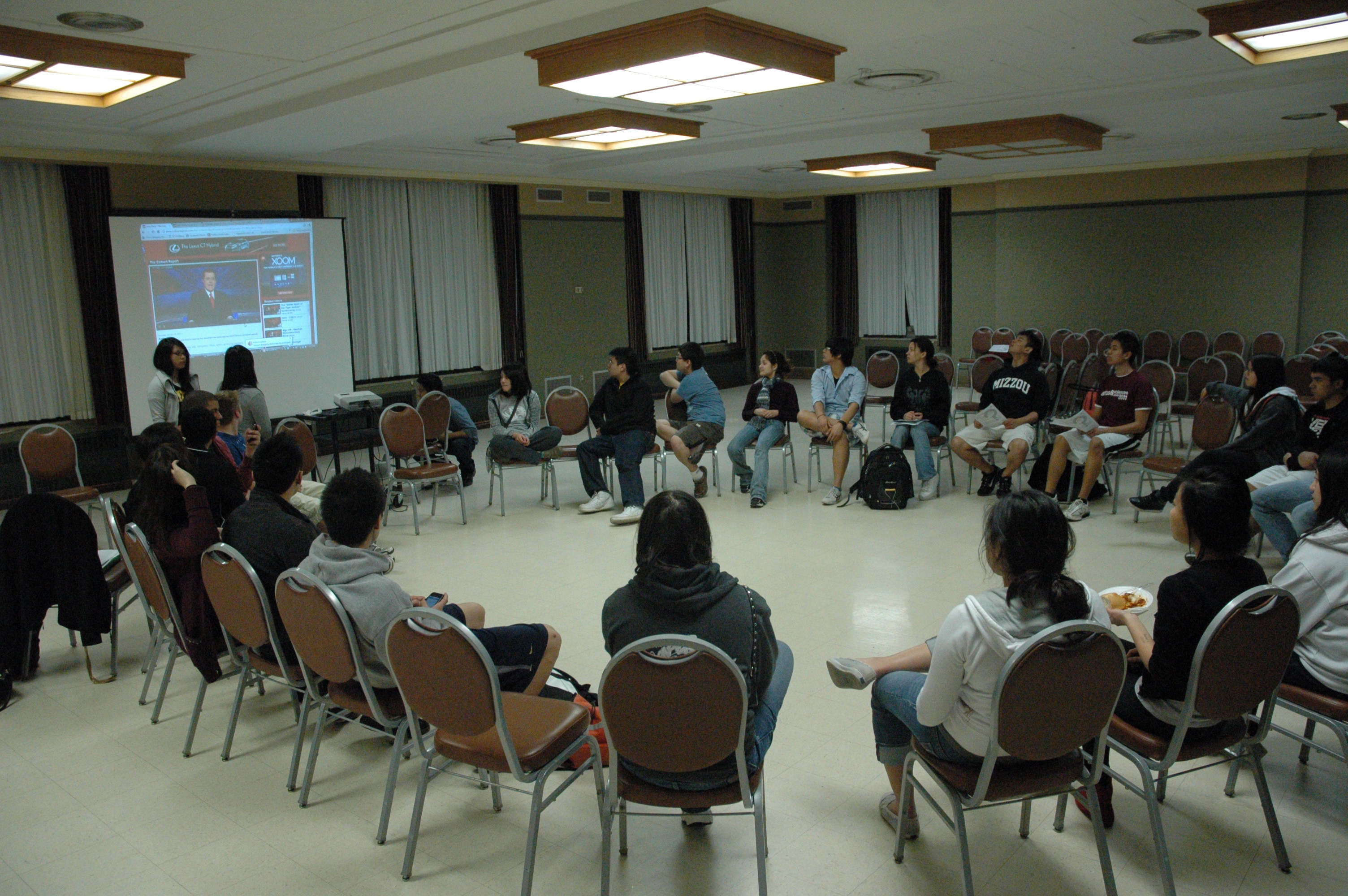
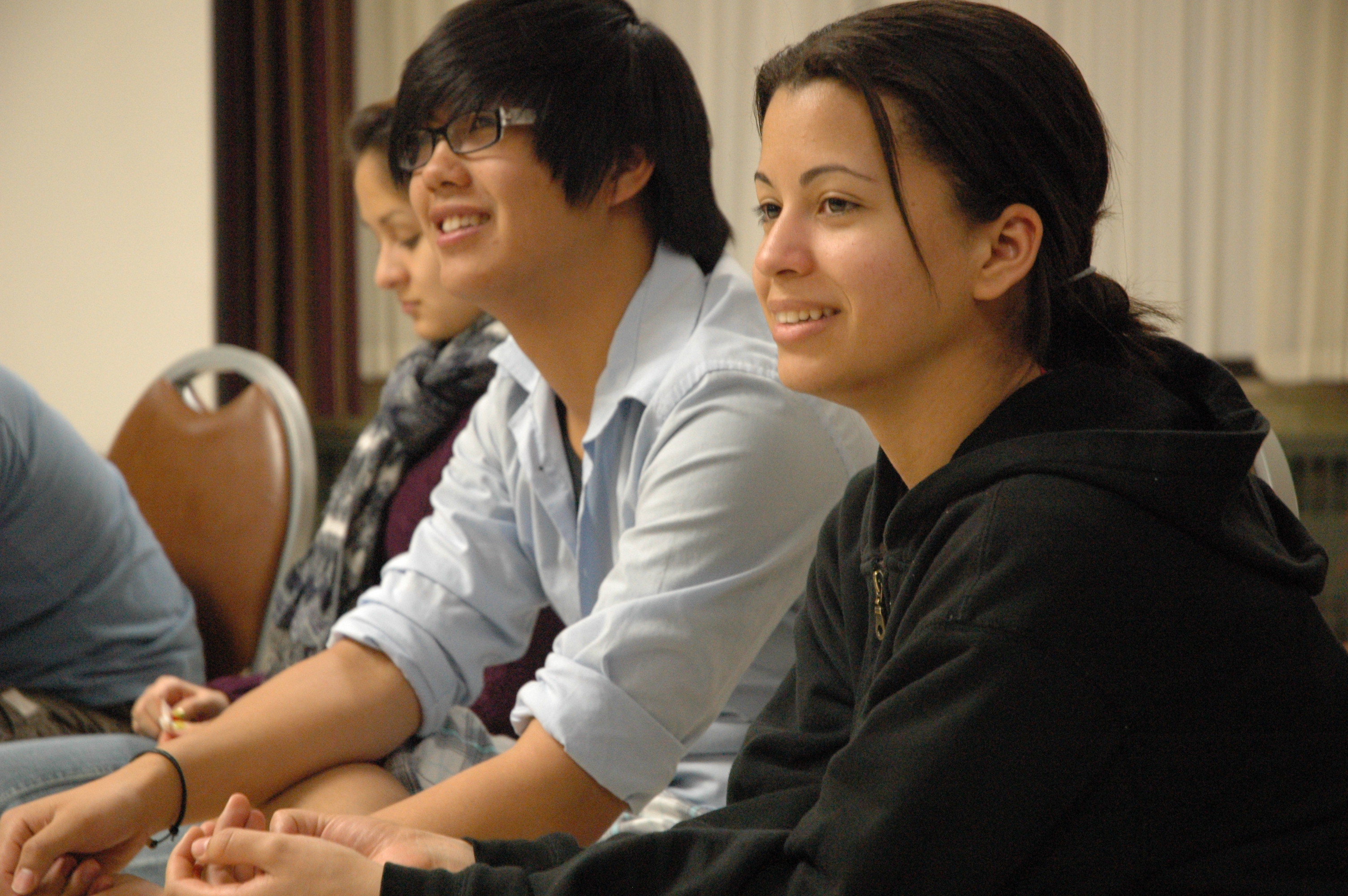
Ironically, in an AA-style setup, the room of 20 or more students circled their chairs to create an atmosphere perfect for open-hearted discussion. The Tiger Mom, as defined in different ways by a few students – is the parenting method of one Chinese mother who wrote a book that got the nation talking. Her message, however, also created a stereotype for Asian culture parenting in America. AAA members spent the rest of the meeting (30+ minutes) sharing stories about their experiences growing up with strict rules and punishments from their parents. They laughed, joked around, yet emphathised with each other. Not everyone’s stories matched up. Some parents were ideal; Some were terrifying; Some spanked; Some scolded; Some even had their kids doing handstands in the middle of a room or holding bags of fruit out to their sides for hours.

Moral of the story and one overarching connection: Strict Asian parents have their rules and expectations out of their love for their children. It’s the conclusion the group made and one that speaks volumes for Asian-Americans in general.